
O laboratoři

Naše laboratoř se zabývá studiem metabolismu a působení růstových regulátorů, polyaminů a fenolických látek v rostlinách. Věnujeme se otázkám úlohy těchto látek ve vývoji rostlin a v odpovědi na abiotický stres.
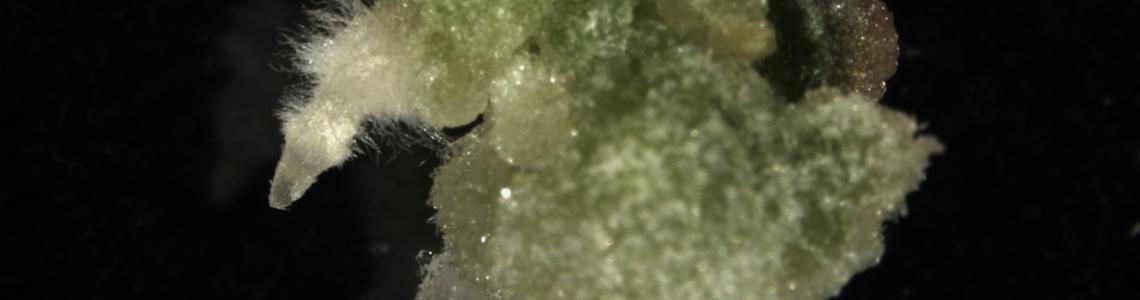
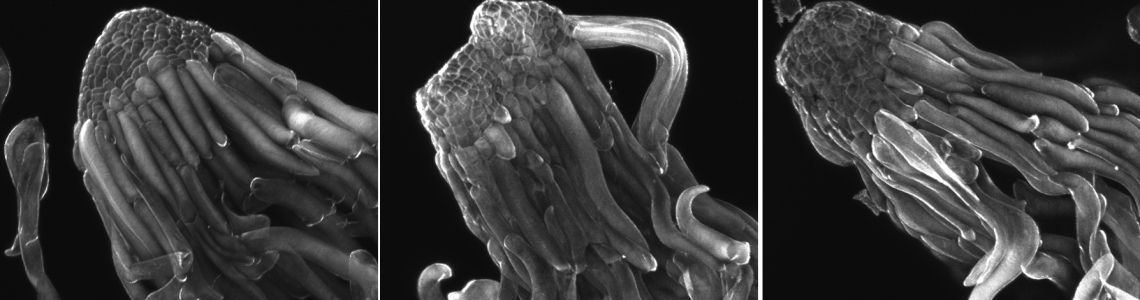
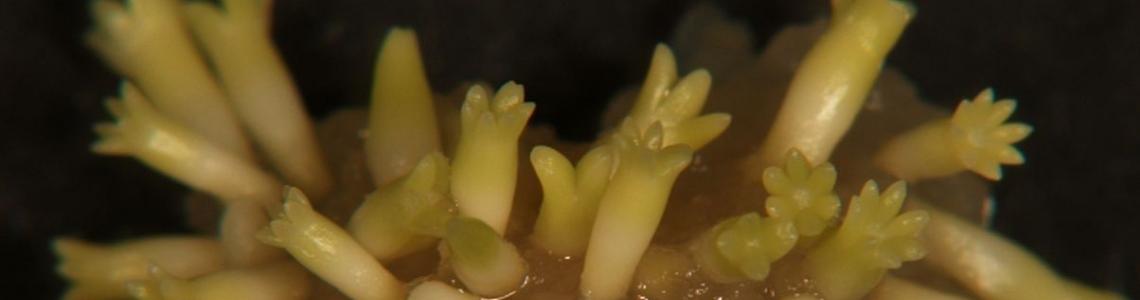
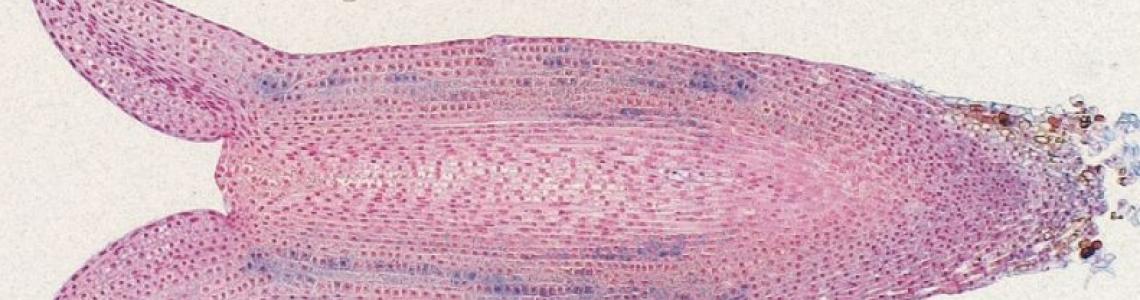
Používáme různé rostlinné modelové systémy - od celých rostlin až po buněčné kultury. Největší pozornost věnujeme procesu somatické embryogeneze jehličnanů; studujeme zákonitosti vývoje embryí, hormonální regulaci procesu somatické embryogeneze i vliv stresových faktorů na vývoj somatických embryí. Věnujeme se také množení medicinálního konopí in vitro. Studujeme především vliv fytohormonů (auxinů a cytokininů) přidaných do kultivačního média na proces organogeneze ze segmentů rostlin konopí vypěstovaných in vitro ze semen.
Využíváme široké spektrum metodických přístupů:

  • Mikroskopické metody – světelná transmisní, fluorescenční a  konfokální mikroskopie, s návazností na počítačovou analýzu obrazu

  • Biochemické metody – studium aktivity enzymů metabolismu biologicky aktivních látek (např. radiometrie)

  • Metody molekulární biologie - analýza exprese zájmových genů a transformace tkáňových kultur

  • Analytické metody – stanovení obsahu biologicky aktivních látek (HPLC, LCMS, GCMS), ve spolupráci s Laboratoří hormonálních regulací u rostlin ÚEB

Challenges in the micropropagation of economically important fruit species in Europe

Napsal uživatel Lucie Fischerová dne Pá, 05.09.2025 - 11:02

Commercial micropropagation plays a crucial role in increasing the production of many economically important fruit crops worldwide, including Europe. The focus has been on many woody horticultural species, such as stone and pome fruits, berries, nuts, and palms. This paper presents an updated overview of the European commercial micropropagation landscape, highlighting the countries currently operating in this sector, crop targets, and the distribution of micropropagation companies based on recent survey data.

Interní autoři

From lab to forest: overcoming barriers to in vitro propagation of forest trees

Napsal uživatel Lucie Fischerová dne Pá, 05.09.2025 - 10:58

Reforestation initiatives are often limited by insufficient seeds, a problem exacerbated by natural variability in tree flowering and seed production, climate change and other environmental challenges. Innovative and adaptive solutions, such as in vitro propagation, are thus needed. Tissue culture can provide high-quality propagation material for tree conservation and mass propagation, but faces technical, economic, regulatory, and social barriers.

Interní autoři

Multi-scale characterizations of various desiccation treatments to produce somatic embryos closer to zygotic embryos of hybrid larch.

Napsal uživatel Kateřina Eliášová dne Út, 05.08.2025 - 11:40

Somatic embryogenesis is a useful method for propagating selected plant material. However, before using this technique for forest tree deployment, it is important to ensure high-quality somatic embryos (SEs). This quality depends on how closely SEs resemble zygotic embryos (ZEs). At the end of their maturation, SEs usually resemble ZEs from fresh seeds due to their high water content and biochemical composition.

Combined desiccation treatments of hybrid larch (Larix x eurolepis) somatic embryos resulted in reduced water content keeping their germination and conversion rates: multi-scale characterizations

Napsal uživatel Kateřina Eliášová dne Út, 05.08.2025 - 11:26

It is assumed that the production of somatic embryos (SEs), which closely resemble fully mature zygotic embryos (ZEs), increases the chance of producing somatic plants equivalent to seedlings. Desiccation is crucial to reduce the water content of SEs and to initiate biochemical changes that support germination and conversion into plants. We investigated the biological, histological, biochemical and molecular changes in the SEs of hybrid larch Larix eurolepis exposed to desiccation at high relative humidity (RH; 98 %), reduced RH (59 %), or a combination of both.

Contrasting gene expression patterns during floral induction in two Chenopodium ficifolium genotypes reveal putative flowering regulators

Napsal uživatel Kateřina Eliášová dne Po, 07.04.2025 - 11:20

Chenopodium ficifolium is a close diploid relative of the tetraploid crop Chenopodium quinoa. Owing to its reproducible germination and seedling development, it becomes a promising model for studying floral induction, providing a basis for comparison with C. quinoa. Two C. ficifolium genotypes differ in photoperiodic requirement: C. ficifolium 283 accelerates flowering under long days, whereas C. ficifolium 459 flowers earlier under short days.